
Vietnam Mandates QR Traceability Labels for Imported Pneumatic Valves

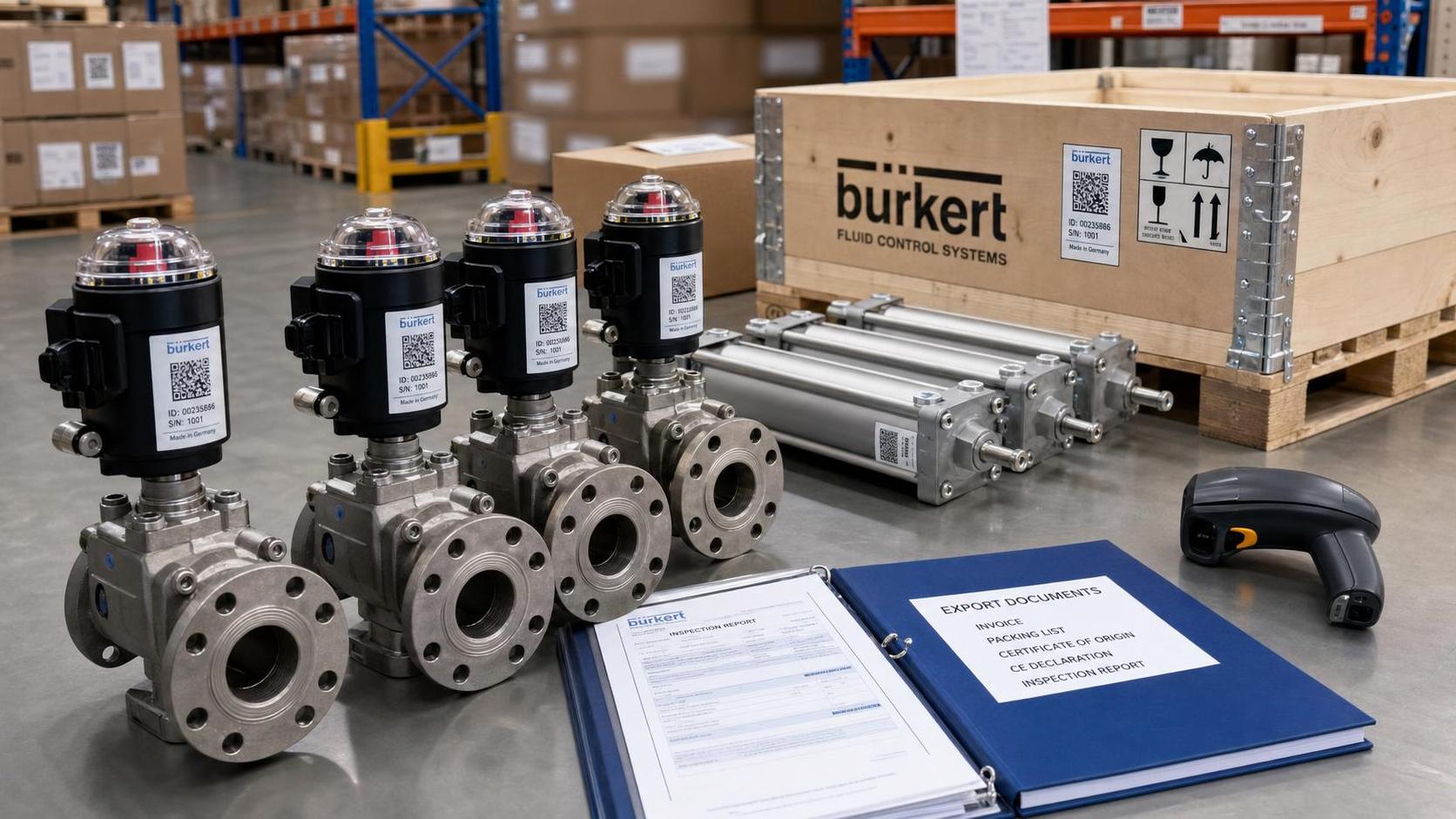
Effective July 1, 2026, Vietnam has put Decree 56/2026/ND-CP into force for imported pneumatic components under HS codes 8481.80 and 8412.21. The measure requires Air Cylinders and Valves to carry a non-removable QR traceability label before arrival, and shipments without compliant labeling may be refused by customs. For exporters, importers, and supply chain teams serving the Vietnam market, the issue is not only product marking but also whether labeling data, batch information, and conformity statements are ready early enough to avoid clearance disruption.
What the decree now requires
According to the provided information, Decree 56/2026/ND-CP took effect in Vietnam on July 1, 2026. It applies to imported Air Cylinders and Valves covered under HS codes 8481.80 and 8412.21.
The rule requires these products to have a non-removable QR code label attached before the goods arrive in Vietnam. The label must contain manufacturer information, batch number, and a declaration of conformity referencing TCVN ISO 15218:2025.
The same information indicates that customs will reject shipments that do not meet this labeling requirement. It also states that Chinese suppliers must provide the label data package to Vietnamese importers 72 hours before shipment.
Where the operational impact is likely to appear
Export transactions face a tighter pre-shipment checkpoint
From an industry perspective, direct trading companies handling pneumatic components are likely to feel the impact first at the shipment preparation stage. The reason is straightforward: the requirement applies before arrival, and non-compliance is tied directly to customs refusal. That shifts part of the control point from destination clearance to origin-side execution, especially for label generation and data handover.
What deserves closer attention is whether exporters can align product labeling, batch-level records, and shipment timing with the 72-hour data package requirement stated for Chinese suppliers. Even when goods are ready, incomplete labeling data could become a practical bottleneck.
Manufacturers may need closer coordination between production and documentation
For processing and manufacturing businesses producing Air Cylinders or Valves for Vietnam-bound orders, the likely impact is at the interface between factory output and compliance documents. Analysis shows that the required QR label content is not limited to a commercial identifier; it also includes manufacturer information, batch number, and a conformity declaration tied to TCVN ISO 15218:2025.
This means the production side and the documentation side cannot operate independently for affected shipments. The immediate concern is whether batch traceability and declaration content can be matched accurately to the physical units before dispatch.
Importers and channel operators carry higher clearance risk
Vietnamese importers, distributors, and channel operators may be affected because customs rejection risk now sits closer to labeling compliance than to post-arrival correction. Observably, that changes the practical role of the importer from receiving party to compliance coordinator, particularly when working with overseas suppliers.
The business impact is likely to show up in order confirmation, supplier communication, and goods receipt planning. Importers will need to watch whether the supplier has prepared both the non-removable QR label and the required data package within the stated timeline.
Supply chain service providers may face more pre-arrival verification work
For logistics coordinators and related service providers, the likely pressure point is shipment readiness control. Analysis shows that when a customs outcome depends on pre-attached labels and pre-shipment data transfer, service teams may need to check documentation status earlier in the delivery cycle.
This does not mean the rule changes logistics procedures by itself as a confirmed fact, but it does suggest that forwarding, booking, and handover processes may need more front-loaded verification for Vietnam-bound pneumatic cargo.
What companies should monitor now
Whether product scope is mapped correctly
Companies should first confirm whether their Vietnam-bound goods fall under the covered HS codes 8481.80 and 8412.21 and whether the products involved are within the Air Cylinders and Valves categories referenced in the provided information. The practical importance here is basic but critical: product scope determines whether the QR traceability obligation applies before arrival.
Whether label content can be produced consistently
What deserves closer attention is the completeness of the QR label data itself. The requirement, as provided, includes manufacturer information, batch number, and a declaration of conformity to TCVN ISO 15218:2025. Companies should therefore focus on whether these data fields are controlled in a consistent format and can be tied to each shipment without mismatch.
Whether the 72-hour data package timing is built into workflow
For Chinese suppliers in particular, the stated requirement to provide the label data package to Vietnamese importers 72 hours before shipment creates a clear timing issue. Observably, this is not only a documentation task but also a workflow deadline. Sales, shipping, and compliance teams may need to review whether the current order release process leaves enough time for importer review before goods move.
Whether commercial communication reflects compliance responsibility
Analysis shows that this type of rule can create friction when supplier and importer assume the other party is managing the labeling step. Current attention should therefore stay on operational communication: who prepares the label, who verifies the data package, and at what point before shipment both sides confirm readiness. The provided information does not specify further implementation details, so companies should avoid assumptions that post-arrival correction will remain available.
Why this looks more like an execution signal than a headline alone
Analysis shows that the importance of this development lies less in headline visibility and more in where the compliance burden is being placed. The requirement is tied to pre-arrival physical labeling and to traceability data that must be available ahead of shipment. That makes it more than a general policy statement for affected pneumatic components.
It is more appropriate to understand this as an immediate operational signal for companies already shipping into Vietnam under the covered HS codes, while still treating broader market impact with caution. The confirmed facts establish the rule, the timing, the covered product categories, and the customs consequence, but they do not yet answer every implementation question that companies may face in day-to-day execution.
Observably, this is also a development that warrants continued attention rather than one-time interpretation. The reason is that the business effect will depend not only on the decree text described here, but also on how importers, exporters, and clearance-related parties apply it in actual shipment workflows.
How the market should read this development for now
At this stage, the clearest industry takeaway is that Vietnam has introduced a specific traceability labeling requirement for imported Air Cylinders and Valves within the stated HS scope, with customs refusal attached to non-compliance. For the businesses involved, the immediate issue is execution discipline rather than abstract policy discussion.
From an industry perspective, it is more appropriate to understand this as a concrete short-term compliance change for affected shipments and a longer-term signal that traceability expectations in cross-border component trade deserve closer monitoring. The available information supports careful preparation, but not sweeping conclusions beyond the covered products and stated obligations.
Basis of this article and points for follow-up verification
This article is based on the user-provided news title, event date, and event summary concerning Vietnam's Decree 56/2026/ND-CP, effective July 1, 2026, and its QR traceability label requirement for imported Air Cylinders and Valves under HS codes 8481.80 and 8412.21.
For this type of industry update, commonly relevant source types may include official government notices, company compliance notices, industry association releases, authoritative media coverage, and standards-related documents. However, a specific official source link was not provided in the input, so the exact source document and any subsequent interpretive guidance still require continued verification.
What should be followed next includes any further official wording, implementation clarifications, customs-side enforcement details, and any additional explanation around label data format, product scope, or practical compliance procedures, if such information is later published through formal channels.