
China Grants Zero Tariffs to 20 African Nations, Boosting Bolt & Screw Exports
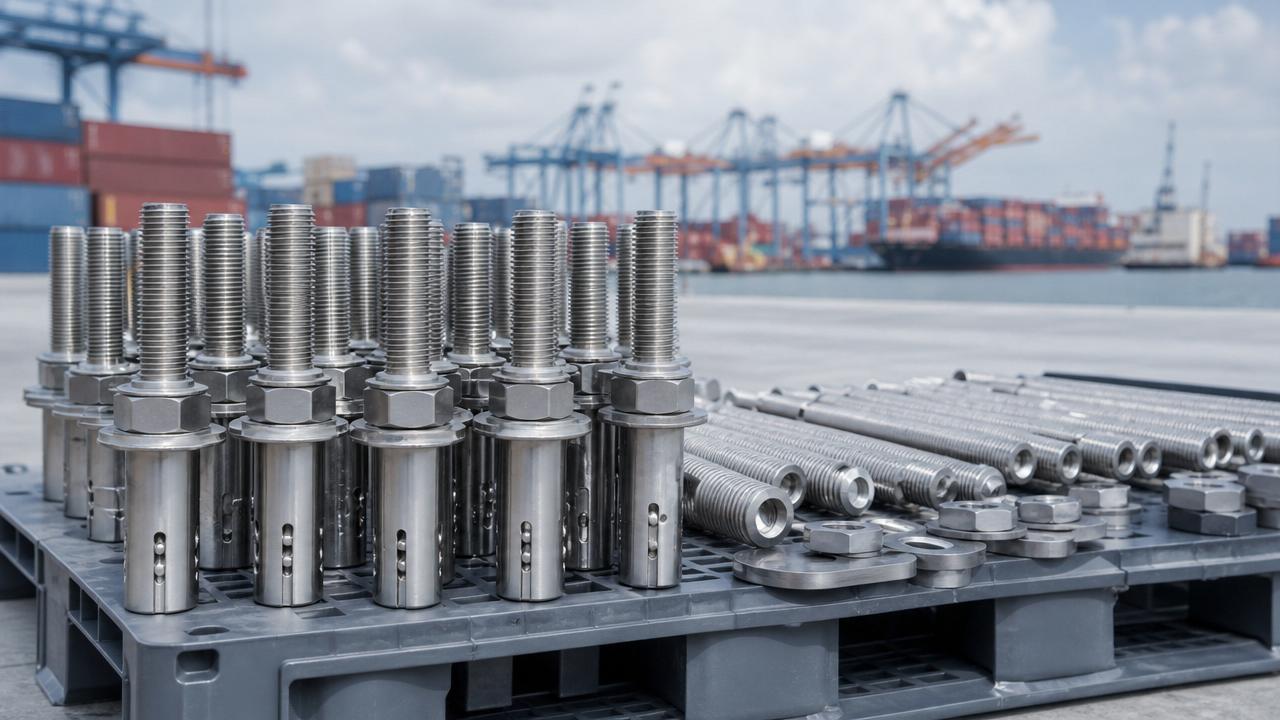
Effective 1 May 2026, China has implemented zero-tariff treatment for all products under HS codes 8301–8308—including structural fasteners, mechanical connectors, bolts, screws, and anchor systems—exported to 20 African countries with which it maintains diplomatic relations and that are classified as non-Least Developed Countries. This policy directly benefits Chinese contractors executing infrastructure, energy, and manufacturing projects across Africa by significantly reducing local procurement costs, and may catalyse increased demand for high-strength and stainless-steel fastening solutions in East and West Africa.
Policy Implementation Details
Starting 1 May 2026, China applies zero import tariffs on all goods falling within HS headings 8301 to 8308—covering bolts, screws, nuts, washers, rivets, and other threaded or non-threaded mechanical fasteners—when exported to 20 African nations with formal diplomatic ties to China and not designated as Least Developed Countries. The measure applies exclusively to these 20 countries and does not extend to all African states.
Impact Across the Fastener Value Chain
Export-oriented trading enterprises
These firms face immediate opportunities in tariff-free market access but must verify eligibility of consignments against updated customs classifications and country-specific origin documentation requirements. Export compliance workflows—including certificate of origin issuance and HS code verification—will require closer alignment with African customs authorities’ interpretation of product scope.
Raw material suppliers
Suppliers of stainless steel wire, alloy billets, and corrosion-resistant coatings may see rising demand as manufacturers scale up production of high-grade fasteners tailored for African project specifications—especially those requiring resistance to coastal or high-salinity environments.
Manufacturing enterprises
Producers of high-strength structural bolts (e.g., ASTM A325/A490 equivalents) and stainless-steel anchor systems will need to reassess capacity planning, surface treatment certifications (e.g., ISO 4042, ISO 10683), and traceability protocols to meet project-level quality assurance expectations common in African EPC contracts.
Supply chain service providers
Logistics and customs brokerage firms must update tariff databases, prepare for potential increases in shipment volumes to East and West African ports, and support clients in navigating varying local import procedures—even under zero-tariff status—as regulatory enforcement, documentation standards, and port clearance timelines remain nationally distinct.
Key Operational Priorities for Exporters
Confirm HS code alignment and origin certification
Verify precise classification of each fastener product under HS 8301–8308 and ensure compliant origin documentation reflecting the 20 eligible countries—misclassification or incomplete certificates may trigger reclassification and tariff application despite policy intent.
Review technical specifications against regional project requirements
East and West African infrastructure tenders increasingly reference ASTM, ISO, or EN standards for tensile strength, galvanizing thickness, and salt-spray resistance. Exporters should pre-validate conformity—not only for CE or ISO 9001, but also for project-specific test reports (e.g., mechanical testing per ISO 898-1, coating adhesion per ISO 2081).
Assess delivery lead times and inventory readiness
Anticipated procurement acceleration by Chinese EPC contractors may compress order-to-delivery windows. Manufacturers should evaluate buffer stock levels for high-demand SKUs—particularly M16–M36 high-strength structural bolts and stainless-steel chemical anchor kits—and align production scheduling with anticipated tender cycles in key corridors such as the Nairobi–Mombasa corridor or the Lagos–Abuja industrial belt.
Industry Perspective: Beyond Tariff Removal
Analysis shows this policy is less a standalone trade liberalisation and more a strategic enabler of China’s broader infrastructure engagement in Africa. What deserves closer attention is not just cost reduction—but how it reshapes procurement logic: Chinese contractors, previously constrained by import duties, now have stronger incentives to source locally-compliant fasteners directly from domestic producers rather than relying on third-country intermediaries. From an industry perspective, this could accelerate adoption of internationally recognised test protocols and traceability systems among mid-tier manufacturers, though compliance capacity remains uneven. Observably, the real bottleneck may shift from tariffs to certification agility—notably in verifying mechanical performance under tropical operating conditions and validating long-term corrosion resistance in humid or saline service conditions.
Strategic Implications for the Fastener Sector
This initiative marks a meaningful recalibration of export opportunity—not through new markets per se, but through lowered entry requirements for existing ones. It does not guarantee volume growth, but it removes one major economic barrier while simultaneously raising expectations around technical conformity, documentation rigour, and supply reliability. For manufacturers, the window is real—but its duration and depth depend less on tariff schedules and more on their ability to align production, certification, and logistics with the operational realities of African project execution.
Source Attribution and Monitoring Guidance
This article was generated solely from the provided information: title, effective date (1 May 2026), and event summary. Specific official source links were not provided in the input and should be verified continuously. Stakeholders are advised to monitor upcoming announcements from China’s Ministry of Commerce (MOFCOM), General Administration of Customs of China (GACC), and African national customs authorities for implementation guidelines, lists of the 20 eligible countries, and clarifications on origin verification procedures. Continued observation is warranted regarding tender document updates, local certification acceptance practices, and field-level feedback from Chinese contractors operating in target regions.