
BIS Adds 37 Chinese Entities to UVL

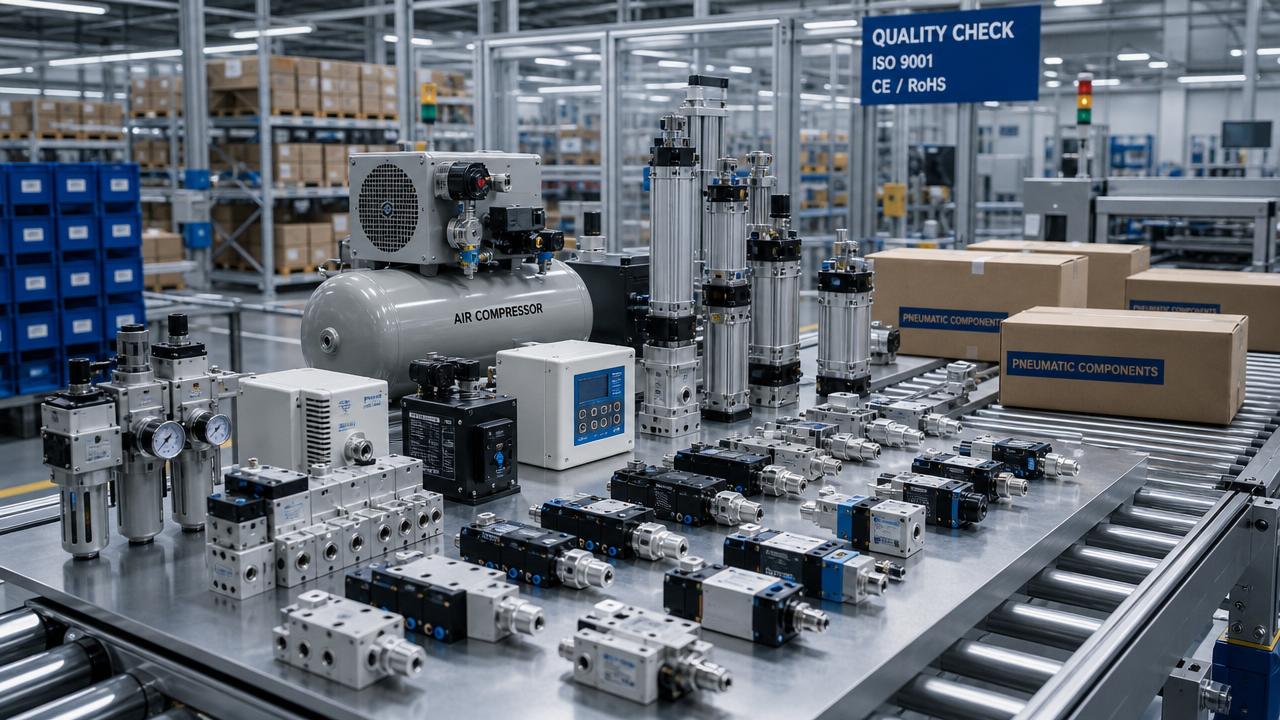
On June 11, 2026, the U.S. Department of Commerce’s Bureau of Industry and Security (BIS) updated its Unverified List (UVL) by adding 37 entities in China, including five OEM manufacturers involved in pneumatic valves, air compressors, and related controllers across Zhejiang, Guangdong, and Jiangsu. For companies tied to cross-border supply, technical cooperation, spare parts support, and U.S.-linked export activities, this update is worth close attention because listed entities are required to cooperate with end-user verification within 60 days or face default restrictions on exports of related items from the United States.
What the June 11 UVL Update Confirmed
The confirmed facts are limited but commercially significant. BIS added 37 Chinese entities to the UVL in its June 11, 2026 update. Among them, five are manufacturers connected to pneumatic valves, air compressors, and supporting controllers. These companies are located in three provinces: Zhejiang, Guangdong, and Jiangsu. The summary provided also states that entities placed on the UVL must cooperate with end-user checks within 60 days; otherwise, exports of related items from the United States will be subject to default restrictions.
The same summary indicates that the immediate areas of concern are cross-border technical cooperation and spare parts supply. Beyond that, no additional company details, product lists, or official case-specific findings were provided in the input and should therefore be treated as unconfirmed.
Where the Pressure May Appear Along the Supply Chain
U.S.-linked sourcing and direct trade arrangements
From an industry perspective, direct trading companies and sourcing teams may be affected first because UVL placement can change how counterparties assess shipment eligibility, document review, and transaction timing. The key business impact is not only whether goods move, but whether orders involving U.S.-origin related items face additional hesitation, review, or delay.
OEM production tied to valves, compressors, and controllers
For manufacturers in pneumatic valve, air compressor, and controller segments, the main concern is operational continuity where production, testing, servicing, or product support depends on U.S.-linked items or technical interaction. Analysis shows that even before any final outcome is known, the 60-day verification window can create short-term uncertainty around planning, fulfillment coordination, and after-sales support expectations.
Spare parts and service support chains
Service providers, maintenance teams, and customers relying on replacement parts may also need to pay attention. The event summary specifically mentions possible effects on spare parts supply, which means the practical issue may extend beyond new equipment orders to ongoing maintenance commitments, service schedules, and customer communication around lead times.
Cross-border technical collaboration
Observably, technical cooperation is another area to watch. Where projects involve engineering exchange, controller integration, or product support linked to U.S. export-controlled items, counterparties may become more cautious in how cooperation is documented and executed. The current signal is less about a confirmed final market outcome and more about increased procedural sensitivity.
What Companies Should Watch Now
Track the 60-day verification window carefully
What deserves closer attention is the timing built into the UVL process described in the input. Companies with exposure to the listed entities should monitor whether official follow-up statements, status changes, or clarification emerge during the 60-day period, because that window is directly tied to whether default restrictions on related U.S. exports may apply.
Separate confirmed facts from commercial assumptions
Businesses should distinguish between the confirmed fact of UVL inclusion and any broader assumption about final trade outcomes. Analysis shows that treating the listing itself as identical to a completed prohibition may lead to avoidable disruption in procurement, customer communication, or delivery planning. The immediate task is careful verification, not overstatement.
Review supplier documents and transaction readiness
For procurement, compliance, and supply-chain teams, a practical priority is to review supplier identity records, product descriptions, transaction documents, and any materials relevant to end-user verification or export review. This is especially relevant where orders involve controllers, components, technical support, or spare parts that could fall into U.S.-linked compliance review.
Prepare customer and partner communication early
Companies serving overseas customers or working with cross-border partners may need to prepare factual, narrowly framed communication on delivery timelines, service continuity, and documentation status. The point is not to assume interruption as a certainty, but to reduce confusion if verification procedures begin affecting scheduling or support expectations.
How This Update May Be Best Understood
As an editorial observation, this development is more appropriate to understand as a live compliance and supply-chain signal rather than a fully settled commercial outcome. The confirmed facts indicate a procedural risk point: UVL inclusion, a 60-day cooperation window, and potential default restrictions on related U.S. exports if verification does not proceed as required.
Analysis also suggests that the relevance of this event is concentrated in specific business links rather than the entire industrial market at once. Companies tied to pneumatic valves, air compressors, controllers, technical support, and spare-parts flows are likely to watch it more closely than firms without U.S.-linked sourcing or export exposure. For now, the most reasonable reading is that the situation remains active and should continue to be monitored rather than treated as fully concluded.
Why the Industry Should Keep This on the Radar
The industry significance of this update lies in its practical effect on verification, supply continuity, and cross-border business confidence. It does not by itself confirm the final outcome for every listed entity, but it does introduce a defined period in which compliance status and cooperation with verification become commercially meaningful.
It is more appropriate to understand this as a near-term operational issue with possible longer-term implications if follow-up actions change the trading environment for affected entities. For companies in the relevant equipment and component chain, the most balanced approach is to stay close to official developments, check transaction exposure carefully, and avoid turning a monitored regulatory event into unsupported conclusions.
Basis of This Article
This article is generated from the user-provided news title, event date, and event summary concerning the BIS UVL update of June 11, 2026. No specific official source link was included in the input, so the exact official link remains unprovided here and should be continuously verified in follow-up review.
For this type of industry update, the source categories typically worth checking include official government notices, company statements, industry association updates, authoritative media reporting, and compliance-related documentation. Based on the information provided, the main follow-up points remain any official clarification on the listed entities, any status change during or after the 60-day window, and any practical effect on technical cooperation or spare parts supply.
Related News