
EU GMP Setback Clouds Clean Valve Component Exports

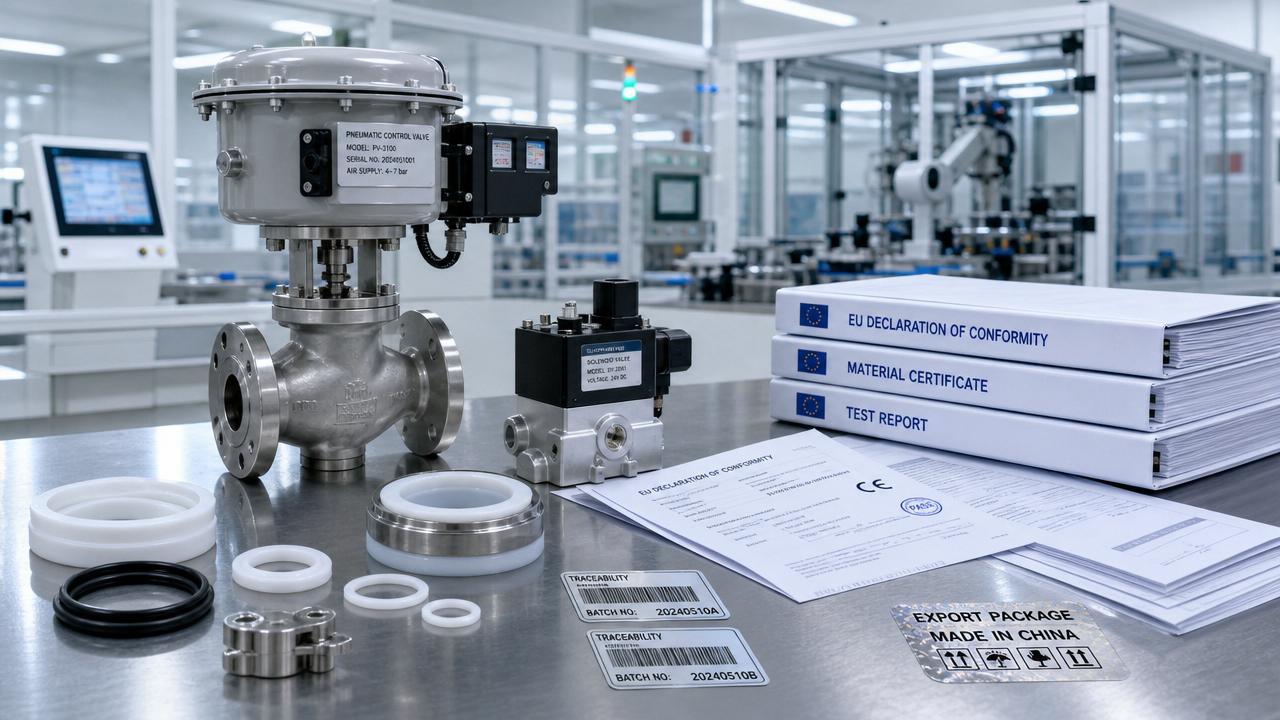
On June 14, 2026, a disclosed compliance outcome drew attention beyond pharmaceuticals and into the medical device supply chain: the formulation area of Bio-Thera’s Yonghe plant was found by EMA not to meet EU GMP requirements due to inadequate deviation management measures. Because the same site also supplies clean-grade sealing components and actuator modules for certain pneumatic control valves and precision solenoid valves used in medical equipment, the development is relevant to exporters, procurement teams, registration functions, and delivery planning where EU-facing compliance and product traceability are closely linked.
What the disclosed compliance result confirms
According to the disclosed information, the formulation section of Bio-Thera’s Yonghe plant was determined by EMA to be non-compliant with EU GMP requirements, with the stated issue described as inadequate deviation management measures. The same plant also supplies clean-grade sealing components and actuator modules for some medical-device pneumatic control valves and precision solenoid valves. The drug substance section passed inspection, while the formulation area requires remediation followed by an on-site reinspection. The disclosed summary also indicates that, in the short term, this may affect the EU registration and delivery pace of related high-cleanliness pneumatic components.
Why this matters across registration, procurement, and delivery
For exporters tied to EU-facing compliance files
Analysis shows that exporters of high-cleanliness pneumatic components may face closer scrutiny when product documentation, manufacturing site information, or quality assurance records are linked to the affected formulation-area supply chain. The main pressure point is not only shipment timing, but also whether registration-related submissions, supporting technical files, and customer-side qualification materials remain aligned with current compliance status and site scope.
For device manufacturers and procurement teams
From an industry perspective, procurement and supplier quality teams may need to pay closer attention to whether clean-grade sealing parts or actuator modules sourced from the site are connected to projects with strict EU registration or delivery milestones. What deserves closer attention is the practical interface between supplier qualification, incoming documentation, delivery scheduling, and any customer requirement for updated compliance statements or manufacturing-site confirmations.
For certification and testing support functions
Observably, companies involved in compliance review, testing support, or registration preparation may see a greater need for document checks around component origin, quality records, and product-to-site mapping. The issue signaled by the disclosed result is less about a broad product ban and more about whether supporting evidence remains sufficient for ongoing submissions, customer audits, or release planning where clean manufacturing expectations are material.
Practical points companies should now monitor
Review how site status appears in compliance documentation
Analysis shows that companies should check whether current technical documents, declarations, quality agreements, or bid materials reference the affected manufacturing area in ways that could trigger questions from customers or EU-facing review processes. If the supplied components are tied to clean manufacturing claims, document consistency becomes especially important.
Track follow-up wording and reinspection progress
What deserves closer attention is the next round of official or company-issued wording on remediation and on-site reinspection for the formulation area. Because the available information confirms that reinspection is still required, it is more appropriate to understand the current stage as an active compliance issue rather than a finalized long-term market outcome.
Reassess delivery plans for sensitive EU-bound projects
From an operational perspective, companies with EU-linked registrations, tenders, or delivery commitments involving high-cleanliness pneumatic components may need to revisit lead times, supplier buffers, and substitution risk. This is not a confirmed disruption across all products, but it is a reasonable area for contingency planning where delivery timing is tightly linked to compliance-sensitive components.
Prepare for stronger traceability and after-sales questions
Observably, customer communication, quality traceability, and after-sales support may require more structured responses if buyers ask whether specific parts, lots, or modules are associated with the affected site area. Firms should therefore be prepared to organize product traceability records and updated supplier communications without overstating conclusions that have not yet been confirmed.
How this signal is best understood at this stage
Analysis shows that this development is best read as an execution-level compliance signal rather than a fully settled rule change. The core issue is that EU GMP enforcement at the site level can influence adjacent medical-device component flows when clean-grade parts, registration materials, and delivery arrangements intersect. It is more appropriate to understand this as a case that may shape customer caution, documentation review, and scheduling decisions while the market waits for remediation progress and reinspection outcomes.
A measured reading of the current impact
From an industry perspective, the significance of this event lies in how a disclosed GMP non-compliance finding in one plant area can extend into related export and registration workflows for high-cleanliness pneumatic components. The current information does not support a broad or final conclusion about long-term market access, but it does justify closer attention to compliance documentation, supplier qualification, and EU delivery timing. At this stage, the news is more appropriately treated as a live compliance and execution development that warrants continued monitoring.
Basis of this article and what still needs verification
This article is generated from the user-provided news title, event date, and event summary. Source types commonly relevant to developments of this kind include company disclosures, releases from regulatory authorities, information from trade or customs authorities, industry association updates, standard-setting documents, and reporting by established professional media. A specific official source link was not provided in the input, so further verification remains necessary. Items that still merit continued monitoring include detailed remediation progress, the wording and scope of any subsequent compliance communications, reinspection outcomes, possible changes in registration or tender documentation, market feedback, and how affected companies implement their response in practice.