
UL to Accept CNAS Valve Test Reports in China

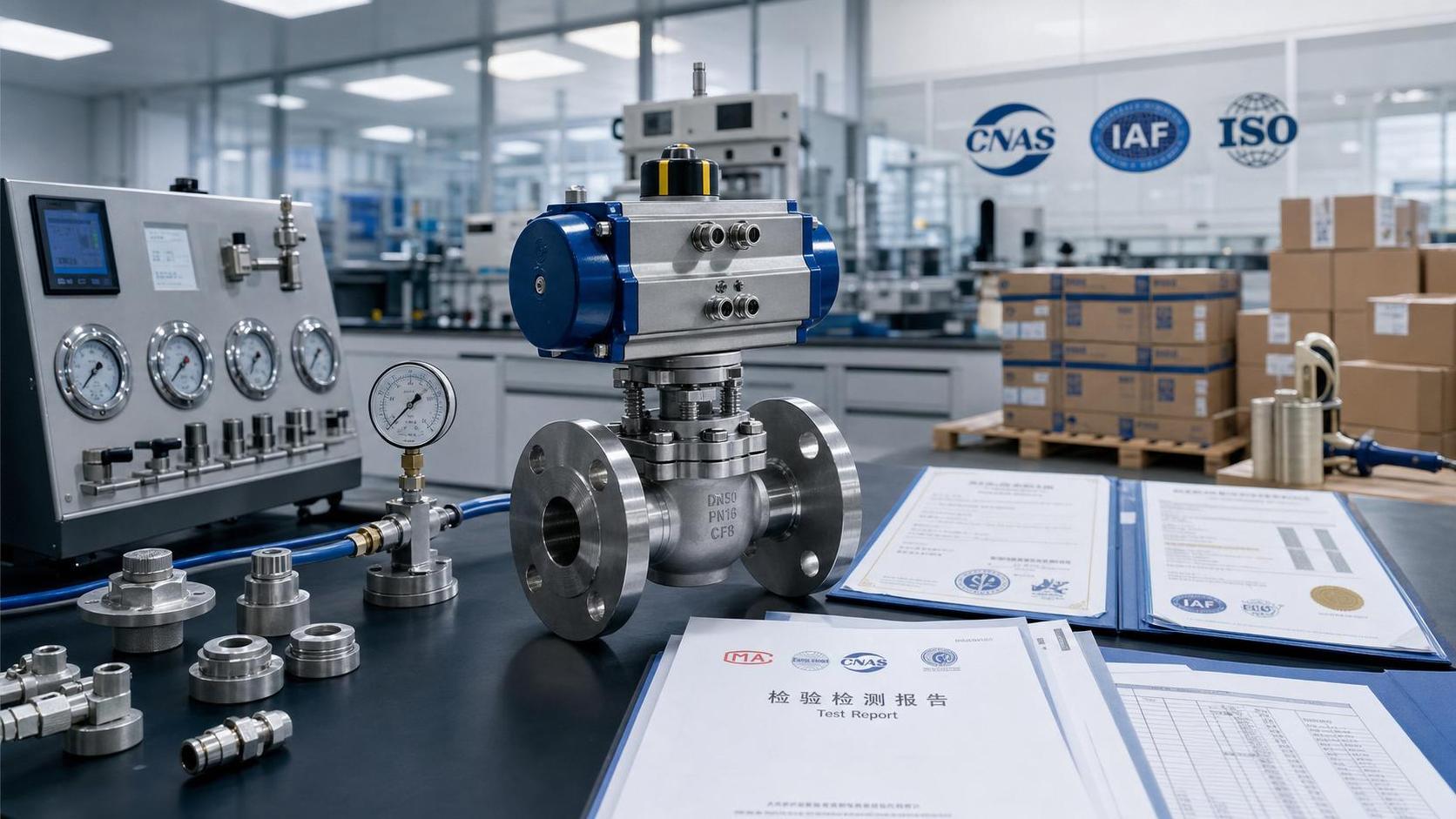
On October 1, 2026, a new acceptance arrangement announced by UL Solutions moved into effect for pneumatic valve testing: reports to EN 13462:2022 issued by China-based laboratories accredited by CNAS and operating under ISO/IEC 17025 may now be accepted by UL, provided those laboratories have also passed UL on-site assessment and completed data mutual-recognition filing. For pneumatic valve manufacturers, export teams, testing laboratories, and North America-facing certification workflows, this is worth close attention because it directly relates to how testing evidence can be prepared and recognized during market access work.
What UL Solutions Confirmed
According to technical notice UL-TA-2026-017 released by UL Solutions on June 28, 2026, UL formally began accepting type test reports for pneumatic valves under EN 13462:2022 from qualified laboratories in China starting October 1, 2026.
The acceptance is not universal for all laboratories. The notice states that the laboratory must be accredited by CNAS, operate in accordance with ISO/IEC 17025, pass a UL on-site assessment, and complete the required data mutual-recognition filing.
The information provided also indicates that this change is expected to significantly shorten the certification cycle for Chinese pneumatic valve exports to North America.
Where the Impact Is Most Likely to Be Felt
Export-oriented valve manufacturers may see the fastest operational effect
From an industry perspective, manufacturers shipping pneumatic valves to North America are the most directly affected group because testing documentation is tied to certification timing. If eligible reports can be prepared through qualified laboratories in China and then accepted by UL, the practical impact may appear first in test scheduling, document preparation, and project lead-time control.
What deserves closer attention is that the benefit depends on whether the selected laboratory meets all stated conditions, rather than on CNAS accreditation alone.
Testing and certification service providers will face tighter qualification screening
Laboratories and third-party service providers may be affected through client demand, because customers will likely pay more attention to whether a laboratory has completed the UL on-site review and data mutual-recognition filing required in the notice. The impact here is less about broader market expansion as a confirmed fact and more about how service eligibility is verified in actual certification projects.
Observably, this could shift attention from general testing capability to recognized report usability for specific export cases.
Procurement, delivery, and customer-facing teams may need to reset timelines
For trading companies, export coordinators, and delivery teams, the main impact is likely to appear in planning assumptions. The information provided says the new arrangement can significantly shorten certification cycles for Chinese pneumatic valve exports to North America. Analysis shows this matters not only for technical compliance teams but also for quotation timing, shipment planning, and customer communication where certification lead time is part of the transaction.
What Companies Should Watch Now
Check laboratory eligibility against all stated conditions
The immediate practical point is whether a chosen laboratory is not only CNAS-accredited and operating under ISO/IEC 17025, but also has passed UL's on-site assessment and completed the relevant filing for data mutual recognition. In business terms, the presence or absence of those additional conditions may determine whether a report is usable in the intended process.
Separate policy wording from project-level execution
Analysis shows companies should avoid treating the announcement as a blanket simplification for every case. The notice describes an acceptance framework, but actual project execution still depends on the specific laboratory's status and the report's alignment with the required standard, EN 13462:2022. That distinction matters when planning certification milestones or communicating commitments to overseas customers.
Review document flows and customer communication early
For teams handling exports, a useful focus is document readiness. If certification timing is expected to improve, related internal workflows such as laboratory selection, report collection, compliance review, and customer updates may need to be adjusted accordingly. This is less a strategic issue than a process-control issue tied to delivery reliability.
Keep watching for any follow-up clarification
What deserves closer attention is whether UL Solutions issues any further explanatory wording, implementation detail, or scope clarification tied to the accepted reports and filing requirements. For companies, the operational risk is often not in the headline change itself, but in how narrowly or specifically the acceptance conditions are applied in real projects.
How This Should Be Read at This Stage
Observably, this development is more than a routine administrative update because it concerns recognition of test reports produced in China for a North America-facing certification path. At the same time, it is more appropriate to understand this as a targeted and conditional efficiency signal than as a fully generalized market shift.
Analysis shows the most meaningful near-term point is not simply that acceptance has opened, but that the acceptance framework links together CNAS accreditation, ISO/IEC 17025 operation, UL on-site assessment, and filing status. That combination suggests the industry should read this as a practical pathway improvement with clear conditions attached.
Why the Industry Will Continue to Track It
Based on the information provided, the significance of this update lies in certification efficiency and cross-border compliance workflow rather than in any confirmed change to product demand or market size. For pneumatic valve exporters and their service partners, the immediate value is the possibility of a shorter certification cycle for North America-bound business.
From an industry perspective, the most balanced reading is that this is a concrete short-term operational change and also a longer-term signal worth monitoring, but its full business effect still depends on implementation at the laboratory and project level.
Basis of This Article
This article is based on the user-provided news title, event date, and summary concerning UL Solutions technical notice UL-TA-2026-017 and its acceptance conditions for EN 13462:2022 pneumatic valve type test reports issued by qualified laboratories in China.
For this category of industry update, relevant source types commonly include official notices, company announcements, industry association information, authoritative media reporting, and standard-related documents. The specific official source link was not provided in the input, so continued verification remains necessary. Follow-up attention should focus on any later clarification to the acceptance scope, implementation wording, and laboratory qualification status under the stated conditions.